
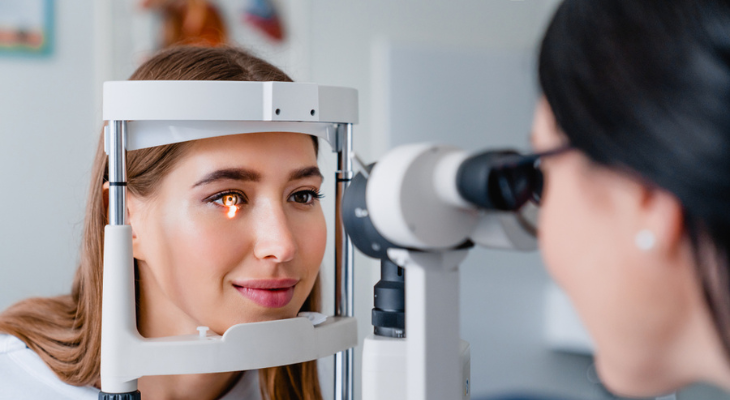
5 Ways Diabetic Retinopathy Could Affect Your Vision
Changes in your vision could mean you have diabetic retinopathy, an eye disease that can cause vision loss or blindness. Anyone who has type 1 or type 2 diabetes can develop diabetic retinopathy. The eye disease affects about 1/3 of American adults who have diabetes, according to the Centers for Disease Control and Prevention, and is more likely to be a problem for Mexican Americans and African Americans. If you notice any of these signs, it's time to schedule an appointment with the optometrist.
Blurry Vision
Blurry vision can be a sign of diabetic retinopathy and should never be ignored. Your vision blurs when high blood sugar damages the blood vessels in the retina, the tissue at the back of the eye that transforms light rays into electrical impulses. The retina sends the impulses it produces to the brain for processing. If the retina can't do its job properly, the brain won't receive the information it needs to produce clear, sharp images.
Blood vessels in the retina weaken and leak blood or fluid if you have diabetic retinopathy. The blood or fluid pools in the retina, affecting the sharpness of your vision. In some cases, the fluid build-up causes swelling in the macula, the middle part of the retina that controls central and color vision. This condition, called macular edema, makes things look blurry or wavy and could be the reason that colors look faded.
Sometimes blood vessels in the retina close off and are replaced by abnormal vessels. These blood vessels leak fluid that can cloud your vision and may cause scars that result in permanent vision loss.
Changing Vision
Have you noticed that your vision only seems to be blurry sometimes? Blurriness can happen if the clear lens inside your eye swells when your blood sugar is too high. Although your vision returns to normal when your blood sugar level declines, blurry vision is always a cause for concern
Blurry vision, even if it only happens occasionally, may also be a sign of diabetic retinopathy. Unfortunately, it's impossible to tell exactly why your vision is blurry without a visit to the eye doctor.
Floaters
Floaters create shadows on your retina that look like floating cobwebs or wispy strings. The floaters form in the vitreous, a gel-like substance that gives your eye its round shape. Floaters develop when the vitreous shrinks slightly, causing strands of the vitreous to clump together.
Although floaters are a normal part of aging, a sudden increase in floaters can be a sign that you have diabetic retinopathy. If you've already been diagnosed with diabetic retinopathy, seeing more floaters could mean that your condition is worsening. An increase in floaters accompanied by flashing lights or loss of vision are symptoms of retinal detachment. This condition requires emergency treatment to prevent permanent vision loss.
Blind Spots
Blind or dark spots, even if they're small, can be signs of a vitreous hemorrhage. A hemorrhage happens when blood from the retinal blood vessels gets into the vitreous. Depending on the amount of blood, you may see floaters, dark or blank spots in your vision, or may be unable to see anything at all. It can take months for the vitreous to clear up. In some cases, surgery may be needed to replace the cloudy vitreous with a saline (salt) solution.
Blind spots can also be caused by angle-closure glaucoma. Abnormal blood vessels can block drainage channels in your iris, causing fluid to build up in your eye. The build-up increases pressure in the eye and can permanently damage the optic nerve without emergency treatment.
Poor Night Vision
Difficulty seeing well at night can also be a symptom of diabetic retinopathy. The growth of new blood vessels in the retina can affect rods, a type of photoreceptor cell in the retina. When they're functioning normally, rods make it easier to see in low light. In addition to problems with night vision, you may notice that it takes longer for your eyes to adjust when you move back and forth between dark and light areas.
Signs of diabetic retinopathy aren't always obvious at first. Fortunately, your optometrist can detect subtle changes in your eyes during regular exams and recommend treatments that will protect your vision. Get in touch with us if you've noticed any changes in your vision or it's time to schedule your eye exam.
Sources:
American Diabetes Association: Vision Loss and Diabetes
Mayo Clinic: Diabetic Retinopathy, 6/24/2021
American Academy of Ophthalmology: Diabetic Retinopathy: Causes, Symptoms, Treatment, 9/14/2021