
(604) 670-4434

Leave a Google Review BOOK ONLINE
ONLINE STORE
MAPLE RIDGE EYE CARE
Menu
  • Home
  • About Us
    • Our Doctors
    • Our Team
    • Patient Reviews
    • In The Community
    • Insurance Information
  • Our Services
    • Eye Health Exams
      • Children's Eye Exams
      • Senior Eye Exams
      • Eye Exam FAQs
      • Diabetic Eye Exams
      • Eye Health Exam Vs. Sight Test
      • Fruits & Veggies and How They Impact Vision
    • Myopia Treatment
    • Contact Lens Exams
      • Contact Lenses for Astigmatism
      • Specialty Contact Lenses
    • Eye Safety in the Workplace
    • Technology
      • iVue OCT Technology
    • Ocular Conditions
      • Astigmatism
      • Amblyopia
      • Blepharitis
      • Cataracts
      • Cataracts FAQ
      • Computer Vision Syndrome
      • Conjunctivitis
      • Eye Allergies
      • Floaters & Flashes
      • Hyperopia (Farsightedness)
      • Presbyopia
      • Strabismus
      • Eye Allergies FAQs
    • Eye Diseases
      • Glaucoma
      • Narrow Angle Closure Glaucoma
      • Diabetic Retinopathy
      • Macular Degeneration
      • Macular Degeneration FAQs
    • Dry Eye Disease
      • Dry Eye Treatment Options
    • Emergency Eye Services
      • Foreign Object Removal
    • Latisse®
      • Latisse® Reorder Form
    • Lasik Surgery
  • Glasses
    • Brands We Carry
      • Lafont
      • Tom Ford
    • Frame Selector
    • Lenses
      • Blue Light Filtering Lenses
      • Transitions & Polarized Lenses
    • Sunglasses
    • Other Eye Products
    • Sports Eyewear & Safety Glasses
    • Eyewear Satisfaction Guarantee
    • Progressive Lenses
  • Contact Lenses
    • Order Contacts Online
    • Contact Lens Training Video
    • Are Contacts Right For Me?
    • Types of Contact Lenses
      • Scleral Lenses
      • Multifocal Contact Lenses
    • Contact Lens Recycling
    • Soft Vs. RGP Lenses
    • Tips for Wear and Care
    • Coloured Contacts
    • Contact Lenses for Dry Eyes
    • Contact Lens Brands
    • Contact Lens Fittings
    • Contact Lens Hygiene and Safety During COVID-19
  • COVID-19 SAFETY PROTOCOLS
  • More
    • Contact Us
      • Schedule an Appointment Online
      • Patient Satisfaction Survey
      • Appointment Cancellation Policy
    • Eyecare Blog
  • Home >
  • Articles >
  • Newsletters >
  • What Is a Chalazion?

What Is a Chalazion?

  • Created in Newsletters

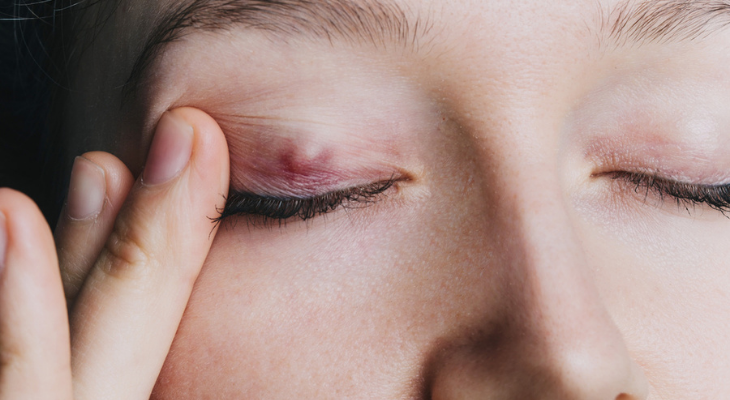
Woman with chalazion on eye

The Causes, Treatments, and Prevention of a Chalazion

Are you wondering what the red bump on your upper or lower eyelid is? A chalazion could be to blame.

What Causes a Chalazion?

A chalazion forms when a meibomian gland at the edge of your eyelid becomes clogged. These glands make oils that moisturize your eyes and prevent tears from evaporating too soon. As a result of the blockage, oil backups in the gland, forming a noticeable bump on your eye. Styes can also cause bumps on your eyelid, but unlike styes, a chalazion isn't painful. But, it can become painful if it becomes infected.

In addition to being unattractive, a chalazion can affect your vision. They may make your eyesight look a little blurry, but it is also possible for them to have the opposite effect. For example, if you're nearsighted, you may notice that your vision looks a little clearer due to the pressure that the bump exerts on your eye.

The eyelid bumps are most common in adults ages 30 to 50, according to the American Optometric Society. You may be more likely to develop a chalazion if you have any of these issues or conditions:

  • Blepharitis (eyelid inflammation)
  • Rosacea (a skin condition that causes facial flushing and small, red bumps)
  • Seborrheic dermatitis (a skin condition that affects the oiliest parts of your body)
  • A condition or disease that affects your immune system
  • A virus
  • Stress
  • Skin cancer
  • Eyelid injury or surgery
  • Tuberculosis

How Is a Chalazion Treated?

Applying warm compresses to your eyelid can open the oil gland and help it drain. Washcloths make excellent compresses. Run the washcloth under warm water, then wring out excess water, and place the compress on your eye. Apply warm compresses four or five times a day for 10 to 15 minutes each time. After you remove the washcloth, massage the chalazion using gentle pressure.

Although compresses can be very helpful, they don't always help you get rid of the bump on your eyelid. If the chalazion doesn't go away after a few weeks, affects your vision, or causes your entire eyelid to swell, call your optometrist. Your eye doctor may prescribe anti-inflammatory eye drops or corticosteroid injections that reduce swelling and inflammation that will get rid of the bump.

Stubborn chalazia often need to be drained. During this procedure, your eye doctor numbs your eye, then makes a small incision and drains the chalazion. Because the incision is made inside your eyelid, you won't have any scarring. If the chalazion is infected, you may also need to take antibiotics.

What You Can Do to Prevent a Chalazion

Following these recommendations can help you avoid a new chalazion:

  • Clean Your Eyelids Every Day. Dilute baby shampoo in warm water or use an eyelid cleanser to keep your eyelids clean and free of debris and bacteria. Be sure to remove your eye makeup every night before you go to sleep.
  • Wear Eye Protection. Use goggles or safety glasses when working around dust, sawdust, or other airborne materials.
  • Don't Touch Your Face. Like most people, you probably touch your face throughout the day without even thinking about it. Unfortunately, your hands can transfer germs to your eyes and make it easier for chalazia to form. Making an effort to reduce the number of times you touch your face can reduce your risk.
  • Wash Your Hands Often. Washing your hands before you put in or take out your contacts or touch your eyes for any reason offers a simple way to reduce your risk of another chalazion.
  • Make Eye Makeup Safety a Priority. Don't share makeup with anyone, especially eye makeup. Replace mascara and other eye makeup at least every three months.

Could the bump on your eye be a chalazion? Contact our office to schedule an appointment with your optometrist.

Sources:

American Academy of Ophthalmology: What Are Styes and Chalazia?, 11/18/2021

American Optometric Association: Chalazion

All About Vision: All About Chalazion, 1/2022

  • Common Eye Conditions
    • Age-Related
    • Cognitive and Acquired
    • Vision Impairment
    • Injury & Irritation
    • Eye Lids
    • Changes in Appearance
  • Contact Lenses
  • Eye Diseases
  • Eyeglasses
    • Eyeglass Lenses
  • Eye Symptoms
  • How the Eyes Work
    • Basic Visual Skills
  • Pediatric Vision
  • Protecting Your Eyes
  • Visual Rehabilitation
  • Vision Problems
  • What is Vision Therapy
  • Vision Therapy Programs
  • We Can Help With
    • Cataracts
    • Corneal Disorders
      • Disorders
    • Glaucoma
    • Refractive Disorders
    • Adult Strabismus
    • Retinal Disorders
  • Newsletters
    • Glasses & Frames
    • Contacts
    • Tips for Healthy Eyes
    • Conditions That Affect Vision
    • Kid's Vision
    • Amazing, Interesting Eyes
    • Medical Perspectives

Business Information

Contact Us

Maple Ridge Eye Care
23015 Dewdney Trunk Rd
Maple Ridge, BC V2X3K9

We're accepting new patients.
Languages spoken:
 English, Cantonese, Japanese & Mandarin.

Get Directions

  • Phone: 604-670-4434

Find us on Google

View Our Appointment Cancellation Policy

View our Eyewear Satisfaction Guarantee


Hours of Operation

Our Regular Schedule

Maple Ridge Eye Care

Mon:

9:00 am-6:00 pm

Tue:

8:00 am-8:00 pm

Wed:

8:00 am-8:00 pm

Thu:

8:00 am-8:00 pm

Fri:

9:00 am-6:00 pm

Sat:

9:00 am-4:30 pm

Sunday:

Closed

Location


ONLINE STORE
  • Copyright © 2026 MH Sub I, LLC dba iMatrix.
  • Admin Log In
  • Site Map