
(604) 670-4434

Leave a Google Review BOOK ONLINE
ONLINE STORE
MAPLE RIDGE EYE CARE
Menu
  • Home
  • About Us
    • Our Doctors
    • Our Team
    • Patient Reviews
    • In The Community
    • Insurance Information
  • Our Services
    • Eye Health Exams
      • Children's Eye Exams
      • Senior Eye Exams
      • Eye Exam FAQs
      • Diabetic Eye Exams
      • Eye Health Exam Vs. Sight Test
      • Fruits & Veggies and How They Impact Vision
    • Myopia Treatment
    • Contact Lens Exams
      • Contact Lenses for Astigmatism
      • Specialty Contact Lenses
    • Eye Safety in the Workplace
    • Technology
      • iVue OCT Technology
    • Ocular Conditions
      • Astigmatism
      • Amblyopia
      • Blepharitis
      • Cataracts
      • Cataracts FAQ
      • Computer Vision Syndrome
      • Conjunctivitis
      • Eye Allergies
      • Floaters & Flashes
      • Hyperopia (Farsightedness)
      • Presbyopia
      • Strabismus
      • Eye Allergies FAQs
    • Eye Diseases
      • Glaucoma
      • Narrow Angle Closure Glaucoma
      • Diabetic Retinopathy
      • Macular Degeneration
      • Macular Degeneration FAQs
    • Dry Eye Disease
      • Dry Eye Treatment Options
    • Emergency Eye Services
      • Foreign Object Removal
    • Latisse®
      • Latisse® Reorder Form
    • Lasik Surgery
  • Glasses
    • Brands We Carry
      • Lafont
      • Tom Ford
    • Frame Selector
    • Lenses
      • Blue Light Filtering Lenses
      • Transitions & Polarized Lenses
    • Sunglasses
    • Other Eye Products
    • Sports Eyewear & Safety Glasses
    • Eyewear Satisfaction Guarantee
    • Progressive Lenses
  • Contact Lenses
    • Order Contacts Online
    • Contact Lens Training Video
    • Are Contacts Right For Me?
    • Types of Contact Lenses
      • Scleral Lenses
      • Multifocal Contact Lenses
    • Contact Lens Recycling
    • Soft Vs. RGP Lenses
    • Tips for Wear and Care
    • Coloured Contacts
    • Contact Lenses for Dry Eyes
    • Contact Lens Brands
    • Contact Lens Fittings
    • Contact Lens Hygiene and Safety During COVID-19
  • COVID-19 SAFETY PROTOCOLS
  • More
    • Contact Us
      • Schedule an Appointment Online
      • Patient Satisfaction Survey
      • Appointment Cancellation Policy
    • Eyecare Blog
  • Home >
  • Articles >
  • Newsletters >
  • What Causes Ocular Hypertension?

What Causes Ocular Hypertension?

  • Created in Newsletters

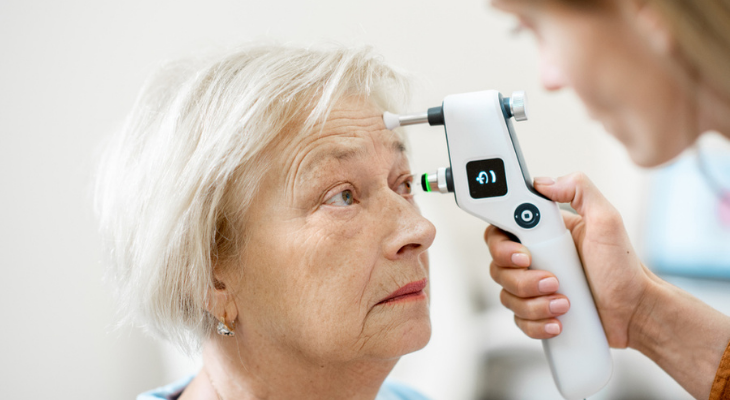
Eye doctor using tonometer on patient

Ocular Hypertension Causes and Treatments

Ocular hypertension occurs when the pressure inside your eye begins to rise. Although the increased pressure doesn't damage your eye, it could increase your risk of developing glaucoma. If you've been diagnosed with ocular hypertension, treatment may help prevent the condition from worsening.

Why Does Ocular Hypertension Occur?

Aqueous humor, a clear eye fluid, nourishes the lens inside your eye and creates pressure that helps your eyeball maintain its round shape. Although the pressure usually remains the same, slow drainage or excess fluid could increase it.

If the pressure is too high, you could develop glaucoma, a condition that occurs when high pressure inside the eye damages the optic nerve. Light impulses travel from the retina at the back of your eye to the brain via the optic nerve. Once the brain receives the impulses, it converts them into recognizable images. If the optic nerve is damaged, the signals never reach the brain, resulting in partial or complete vision loss. Unfortunately, by the time you notice that something is wrong with your eyesight, it's too late to save your vision.

Who Gets Ocular Hypertension?

You may be more likely to develop ocular hypertension if you are over 40, are extremely nearsighted, or are Hispanic or African American. If family members have glaucoma or ocular hypertension, you may be more likely to develop the condition as well.

Your risk of ocular hypertension increases if you've taken steroid medications for a long time, had an eye injury or eye surgery, have high blood pressure, or diabetes. Low blood pressure and a thinner central cornea could also increase your risk, according to Bright Focus Foundation.

How Can I Tell if I Have Ocular Hypertension?

Ocular hypertension has no symptoms. In fact, you won't notice any changes in your vision if the pressure inside your eye rises. Fortunately, your optometrist can tell if your pressure is too high by performing a simple test during your annual eye exam. Your eye doctor uses an instrument called a tonometer to take an eye pressure reading. The tonometer produces a puff of air that briefly flattens your cornea, the clear tissue that covers your iris and pupil.

How Is Ocular Hypertension Treated?

An ocular hypertension diagnosis doesn't automatically mean you will require treatment or develop glaucoma. In fact, only 25 percent of people who participated in a national ocular hypertension study ever developed vision loss from glaucoma. Researchers who followed up on participants in The Ocular Hypertension Treatment Study 20 years later were surprised by the results, as they expected to see much higher rates of vision loss.

You will need to visit your optometrist more often for checkups if you have ocular hypertension. Regular follow-up visits help your eye doctor spot the early signs of glaucoma and offer treatment before the condition can damage your optic nerve and destroy your vision.

If you are eventually diagnosed with glaucoma, your eye doctor may recommend daily prescription eye drops that lower pressure. If blocked drainage channels in your eye are the reason for the pressure increase, you may need a surgical procedure to improve drainage.

Regular eye examinations help your optometrist diagnose and monitor ocular hypertension. Exams are a simple way to protect your eyesight and reduce your risk of vision loss. Contact us if you need to schedule an appointment for an eye exam.

Sources:

American Academy of Ophthalmology: What Is Ocular Hypertension?, 3/9/21

American Optometric Association: Ocular Hypertension

Bright Focus Foundation: Ocular Hypertension and Glaucoma, 4/23/18

Washington University School of Medicine in St. Louis: Treatment not always needed to prevent vision loss in patients with elevated eye pressure, 4/15/21

  • Common Eye Conditions
    • Age-Related
    • Cognitive and Acquired
    • Vision Impairment
    • Injury & Irritation
    • Eye Lids
    • Changes in Appearance
  • Contact Lenses
  • Eye Diseases
  • Eyeglasses
    • Eyeglass Lenses
  • Eye Symptoms
  • How the Eyes Work
    • Basic Visual Skills
  • Pediatric Vision
  • Protecting Your Eyes
  • Visual Rehabilitation
  • Vision Problems
  • What is Vision Therapy
  • Vision Therapy Programs
  • We Can Help With
    • Cataracts
    • Corneal Disorders
      • Disorders
    • Glaucoma
    • Refractive Disorders
    • Adult Strabismus
    • Retinal Disorders
  • Newsletters
    • Glasses & Frames
    • Contacts
    • Tips for Healthy Eyes
    • Conditions That Affect Vision
    • Kid's Vision
    • Amazing, Interesting Eyes
    • Medical Perspectives

Business Information

Contact Us

Maple Ridge Eye Care
23015 Dewdney Trunk Rd
Maple Ridge, BC V2X3K9

We're accepting new patients.
Languages spoken:
 English, Cantonese, Japanese & Mandarin.

Get Directions

  • Phone: 604-670-4434

Find us on Google

View Our Appointment Cancellation Policy

View our Eyewear Satisfaction Guarantee


Hours of Operation

Our Regular Schedule

Maple Ridge Eye Care

Mon:

9:00 am-6:00 pm

Tue:

8:00 am-8:00 pm

Wed:

8:00 am-8:00 pm

Thu:

8:00 am-8:00 pm

Fri:

9:00 am-6:00 pm

Sat:

9:00 am-4:30 pm

Sunday:

Closed

Location


ONLINE STORE
  • Copyright © 2026 MH Sub I, LLC dba iMatrix.
  • Admin Log In
  • Site Map