
(604) 670-4434

Leave a Google Review BOOK ONLINE
ONLINE STORE
MAPLE RIDGE EYE CARE
Menu
  • Home
  • About Us
    • Our Doctors
    • Our Team
    • Patient Reviews
    • In The Community
    • Insurance Information
  • Our Services
    • Eye Health Exams
      • Children's Eye Exams
      • Senior Eye Exams
      • Eye Exam FAQs
      • Diabetic Eye Exams
      • Eye Health Exam Vs. Sight Test
      • Fruits & Veggies and How They Impact Vision
    • Myopia Treatment
    • Contact Lens Exams
      • Contact Lenses for Astigmatism
      • Specialty Contact Lenses
    • Eye Safety in the Workplace
    • Technology
      • iVue OCT Technology
    • Ocular Conditions
      • Astigmatism
      • Amblyopia
      • Blepharitis
      • Cataracts
      • Cataracts FAQ
      • Computer Vision Syndrome
      • Conjunctivitis
      • Eye Allergies
      • Floaters & Flashes
      • Hyperopia (Farsightedness)
      • Presbyopia
      • Strabismus
      • Eye Allergies FAQs
    • Eye Diseases
      • Glaucoma
      • Narrow Angle Closure Glaucoma
      • Diabetic Retinopathy
      • Macular Degeneration
      • Macular Degeneration FAQs
    • Dry Eye Disease
      • Dry Eye Treatment Options
    • Emergency Eye Services
      • Foreign Object Removal
    • Latisse®
      • Latisse® Reorder Form
    • Lasik Surgery
  • Glasses
    • Brands We Carry
      • Lafont
      • Tom Ford
    • Frame Selector
    • Lenses
      • Blue Light Filtering Lenses
      • Transitions & Polarized Lenses
    • Sunglasses
    • Other Eye Products
    • Sports Eyewear & Safety Glasses
    • Eyewear Satisfaction Guarantee
    • Progressive Lenses
  • Contact Lenses
    • Order Contacts Online
    • Contact Lens Training Video
    • Are Contacts Right For Me?
    • Types of Contact Lenses
      • Scleral Lenses
      • Multifocal Contact Lenses
    • Contact Lens Recycling
    • Soft Vs. RGP Lenses
    • Tips for Wear and Care
    • Coloured Contacts
    • Contact Lenses for Dry Eyes
    • Contact Lens Brands
    • Contact Lens Fittings
    • Contact Lens Hygiene and Safety During COVID-19
  • COVID-19 SAFETY PROTOCOLS
  • More
    • Contact Us
      • Schedule an Appointment Online
      • Patient Satisfaction Survey
      • Appointment Cancellation Policy
    • Eyecare Blog
  • Home >
  • Articles >
  • We Can Help With >
  • Refractive Disorders >
  • Myopia

Myopia

  • Created in We Can Help With, Refractive Disorders
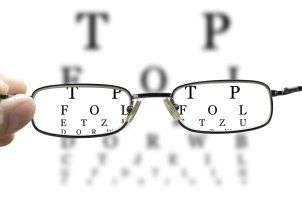
hand holding glasses to eye chart

Myopia, or nearsightedness, means that your eyes can see close objects clearly but struggle to see things in the distance. Nearly 30 percent of Americans are nearsighted.

This condition usually develops in children and teenagers, up to about the age of 20. A teacher or parent might notice a child squinting at the chalkboard or TV. Other common symptoms include headaches, frequent blinking and rubbing of the eyes and failing to notice distant objects.

Causes

If the curvature of your cornea — the clear part on the front of your eye — is too steep, you will be nearsighted. Myopia can also be caused by an eyeball that is too long, relative to the lens’ and cornea’s focusing power. Light entering your eye will not be correctly focused, causing things in the distance to look blurry.

However, what causes these defects is still under debate. Heredity and visual stress are leading contenders. If both parents are nearsighted, the child is at higher risk. Examples of visual stress include excessive reading, computer use or other tasks that demand the eyes to focus on close objects. Note: Myopia due to close work is sometimes temporary.

Eye problems can also be symptoms of other disorders, such as diabetes or a cataract developing in the eye.

Testing and Diagnosis

Eye doctors test patients’ vision by having them read letters on a Snellen chart that is placed about 20 feet away from the patient. Your doctor may also use lighted instruments to determine the focusing power of your eyes. Sometimes, eye doctors use eye drops to dilate the eyes. This temporarily prevents the eyes from changing focus, so he or she can examine them more easily.

Once your eye doctor finishes the test, he or she can determine whether you have myopia. If you suffer from myopia, you and your eye doctor will discuss possible treatment options.

Non-Surgical Treatment Options

Eyeglasses are the most commonly prescribed and least invasive method of treating myopia. Depending on how nearsighted you are, you might need to wear glasses some or all of the time. If you also have trouble seeing things close-up, your eye doctor might prescribe bifocals. These let you see both far and close objects more clearly, and are popular with patients over the age of 40.

Contact lenses can provide a wider field of vision and may let you see more clearly. However, because they are worn directly on the eye, they need extra care and cleaning. Contact lenses are not recommended for those who are squeamish about touching their eyes.

Orthokeratology, also called corneal refractive therapy, involves wearing rigid contact lenses that reshape your cornea’s curvature. This therapy changes how light enters your eyes, eventually making your eyes focus correctly. The results from orthokeratology are temporary, and patients must continue to use these specialized contact lenses to maintain results.

Surgical Treatment Options

Laser procedures such as photorefractive keratectomy and LASIK have become more prevalent over the last few decades. With laser vision correction surgery, the ophthalmologist uses laser energy to remove a small amount of corneal tissue, thus reshaping the curvature of the cornea and correcting the refractive error that is causing myopia.

Highly nearsighted people may be better suited for another type of refractive surgery, including refractive lens exchange (RLE). The ophthalmologist implants a corrective lens directly into the eye. This lens is placed either right in front of the eye’s natural lens or it replaces the natural lens entirely.

Many treatments are available to myopic patients. Call our practice today, so we can help you decide which one is best for your visual needs and lifestyle practices.

  • Common Eye Conditions
    • Age-Related
    • Cognitive and Acquired
    • Vision Impairment
    • Injury & Irritation
    • Eye Lids
    • Changes in Appearance
  • Contact Lenses
  • Eye Diseases
  • Eyeglasses
    • Eyeglass Lenses
  • Eye Symptoms
  • How the Eyes Work
    • Basic Visual Skills
  • Pediatric Vision
  • Protecting Your Eyes
  • Visual Rehabilitation
  • Vision Problems
  • What is Vision Therapy
  • Vision Therapy Programs
  • We Can Help With
    • Cataracts
    • Corneal Disorders
      • Disorders
    • Glaucoma
    • Refractive Disorders
    • Adult Strabismus
    • Retinal Disorders
  • Newsletters
    • Glasses & Frames
    • Contacts
    • Tips for Healthy Eyes
    • Conditions That Affect Vision
    • Kid's Vision
    • Amazing, Interesting Eyes
    • Medical Perspectives

Business Information

Contact Us

Maple Ridge Eye Care
23015 Dewdney Trunk Rd
Maple Ridge, BC V2X3K9

We're accepting new patients.
Languages spoken:
 English, Cantonese, Japanese & Mandarin.

Get Directions

  • Phone: 604-670-4434

Find us on Google

View Our Appointment Cancellation Policy

View our Eyewear Satisfaction Guarantee


Hours of Operation

Our Regular Schedule

Maple Ridge Eye Care

Mon:

9:00 am-6:00 pm

Tue:

8:00 am-8:00 pm

Wed:

8:00 am-8:00 pm

Thu:

8:00 am-8:00 pm

Fri:

9:00 am-6:00 pm

Sat:

9:00 am-4:30 pm

Sunday:

Closed

Location


ONLINE STORE
  • Copyright © 2026 MH Sub I, LLC dba iMatrix.
  • Admin Log In
  • Site Map