The Eyes Know Before the Heart Does
- posted: Feb. 20, 2026
The Eyes Know Before the Heart Does
Why a Routine Eye Exam Can Reveal Silent Cardiovascular Disease
Most people schedule an eye exam for a simple reason: they want to see clearly. A new prescription, relief from screen fatigue, or help with night driving usually feels like the entire purpose of the visit. Yet clinically, something far more significant is happening during that appointment.
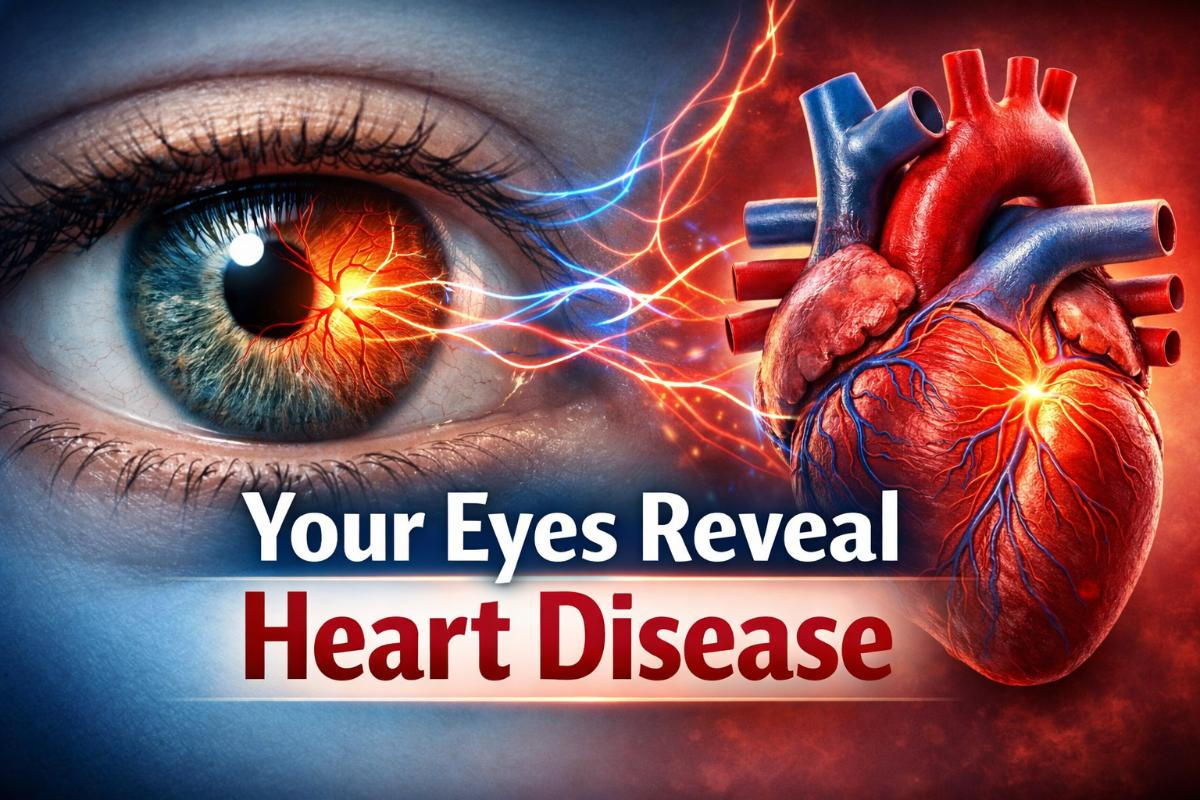
An eye examination is one of the only medical evaluations that allows a doctor to directly observe living blood vessels — not through imaging, not through scans, but in real time. The retina, located at the back of the eye, contains a network of microscopic arteries and veins that reflect the condition of the body’s entire vascular system. Because of this, the eye frequently reveals cardiovascular disease long before the heart produces symptoms.
In many patients, the first warning sign of systemic illness is not chest discomfort or shortness of breath. It is visible through the pupil.
A Living Map of Circulation
The retina requires an enormous and constant oxygen supply to function. To meet that demand, it depends on delicate microvasculature that reacts immediately to even subtle changes in blood flow or vessel health. When circulation becomes compromised anywhere in the body, these tiny vessels respond.
This makes the eye uniquely informative. The coronary arteries that supply the heart cannot be viewed directly without advanced imaging or invasive testing. Retinal vessels, however, can be examined at microscopic resolution during a routine dilated exam. The same vascular processes affecting the heart and brain — inflammation, pressure damage, plaque formation, and oxygen deprivation — appear here first.
The Silent Impact of High Blood Pressure
Hypertension rarely produces noticeable symptoms in its early stages. A person may feel entirely well while blood vessels gradually stiffen and narrow under constant pressure. Inside the eye, however, the damage becomes visible.
Retinal arteries constrict. Veins appear compressed. Small hemorrhages may develop. In severe cases, the optic nerve swells, signaling significant vascular stress and elevated stroke risk. Many patients discover longstanding high blood pressure only after these findings are detected during an eye examination.
What feels like a routine vision visit can become a critical medical diagnosis.
Cholesterol, Circulation, and Sudden Vision Loss
Occasionally, a patient describes a brief moment when vision dimmed or darkened and then returned to normal. It is often dismissed as fatigue or dehydration. Clinically, it may represent a transient interruption of blood flow — a small cholesterol embolus temporarily blocking a retinal artery. This event matters. The same plaque that travels to the eye can travel to the brain.
An eye exam may therefore identify stroke risk before a neurological event occurs, allowing intervention at a stage when prevention is still possible.
Diabetes Before It Is Diagnosed
Metabolic disease affects circulation long before it causes symptoms. The earliest diabetic changes occur in capillaries, producing microscopic ballooning and tiny hemorrhages in the retina. Patients are frequently surprised to learn their first detectable sign of abnormal glucose regulation appears in an eye exam rather than a blood test.
Even prediabetes can be identified this way, years before complications develop elsewhere in the body.
When Vision Symptoms Are Actually Vascular
Certain visual experiences should never be ignored:
- Sudden blurring
- Brief blackout of vision
- Missing areas of sight
- Pulsating vision
- Persistent redness with headache
These are often assumed to be eye strain. In reality, they can indicate interrupted blood flow and require prompt medical evaluation.
Preventative Medicine in an Unexpected Place
Modern eye care extends beyond prescribing glasses. Advanced retinal imaging evaluates vessel integrity, perfusion, and nerve oxygenation. When abnormalities are found, physicians coordinate care with primary doctors and cardiologists, frequently leading to blood pressure treatment, carotid imaging, or metabolic evaluation.
The appointment patients view as optional may become the earliest opportunity to prevent stroke or heart attack.
More Than Vision
The eye is not isolated from the rest of the body. It is neurological tissue supplied by the same vascular system that nourishes the brain and heart. Because it allows direct observation of that circulation, it serves as an early warning system for systemic disease.
An eye exam protects sight, but its importance reaches further.
Sometimes the first sign of heart disease is not felt — it is seen.
- posted: Feb. 20, 2026
The Eyes Know Before the Heart Does
Why a Routine Eye Exam Can Reveal Silent Cardiovascular Disease
Most people schedule an eye exam for a simple reason: they want to see clearly. A new prescription, relief from screen fatigue, or help with night driving usually feels like the entire purpose of the visit. Yet clinically, something far more significant is happening during that appointment.
An eye examination is one of the only medical evaluations that allows a doctor to directly observe living blood vessels — not through imaging, not through scans, but in real time. The retina, located at the back of the eye, contains a network of microscopic arteries and veins that reflect the condition of the body’s entire vascular system. Because of this, the eye frequently reveals cardiovascular disease long before the heart produces symptoms.
In many patients, the first warning sign of systemic illness is not chest discomfort or shortness of breath. It is visible through the pupil.
A Living Map of Circulation
The retina requires an enormous and constant oxygen supply to function. To meet that demand, it depends on delicate microvasculature that reacts immediately to even subtle changes in blood flow or vessel health. When circulation becomes compromised anywhere in the body, these tiny vessels respond.
This makes the eye uniquely informative. The coronary arteries that supply the heart cannot be viewed directly without advanced imaging or invasive testing. Retinal vessels, however, can be examined at microscopic resolution during a routine dilated exam. The same vascular processes affecting the heart and brain — inflammation, pressure damage, plaque formation, and oxygen deprivation — appear here first.
The Silent Impact of High Blood Pressure
Hypertension rarely produces noticeable symptoms in its early stages. A person may feel entirely well while blood vessels gradually stiffen and narrow under constant pressure. Inside the eye, however, the damage becomes visible.
Retinal arteries constrict. Veins appear compressed. Small hemorrhages may develop. In severe cases, the optic nerve swells, signaling significant vascular stress and elevated stroke risk. Many patients discover longstanding high blood pressure only after these findings are detected during an eye examination.
What feels like a routine vision visit can become a critical medical diagnosis.
Cholesterol, Circulation, and Sudden Vision Loss
Occasionally, a patient describes a brief moment when vision dimmed or darkened and then returned to normal. It is often dismissed as fatigue or dehydration. Clinically, it may represent a transient interruption of blood flow — a small cholesterol embolus temporarily blocking a retinal artery. This event matters. The same plaque that travels to the eye can travel to the brain.
An eye exam may therefore identify stroke risk before a neurological event occurs, allowing intervention at a stage when prevention is still possible.
Diabetes Before It Is Diagnosed
Metabolic disease affects circulation long before it causes symptoms. The earliest diabetic changes occur in capillaries, producing microscopic ballooning and tiny hemorrhages in the retina. Patients are frequently surprised to learn their first detectable sign of abnormal glucose regulation appears in an eye exam rather than a blood test.
Even prediabetes can be identified this way, years before complications develop elsewhere in the body.
When Vision Symptoms Are Actually Vascular
Certain visual experiences should never be ignored:
- Sudden blurring
- Brief blackout of vision
- Missing areas of sight
- Pulsating vision
- Persistent redness with headache
These are often assumed to be eye strain. In reality, they can indicate interrupted blood flow and require prompt medical evaluation.
Preventative Medicine in an Unexpected Place
Modern eye care extends beyond prescribing glasses. Advanced retinal imaging evaluates vessel integrity, perfusion, and nerve oxygenation. When abnormalities are found, physicians coordinate care with primary doctors and cardiologists, frequently leading to blood pressure treatment, carotid imaging, or metabolic evaluation.
The appointment patients view as optional may become the earliest opportunity to prevent stroke or heart attack.
More Than Vision
The eye is not isolated from the rest of the body. It is neurological tissue supplied by the same vascular system that nourishes the brain and heart. Because it allows direct observation of that circulation, it serves as an early warning system for systemic disease.
An eye exam protects sight, but its importance reaches further.
Sometimes the first sign of heart disease is not felt — it is seen.
Visit our Office
36 Old Kings Hwy S #110
Darien, CT 06820
Hours of Operation
Early or Late Appointments Available by Request
Greenwich
Monday
10:00 am - 6:00 pm
Tuesday
9:00 am - 5:00 pm
Wednesday
9:00 am - 5:00 pm
Thursday
9:00 am - 5:00 pm
Friday
9:00 am - 5:00 pm
Saturday
Closed
Sunday
Closed
Darien
Monday
9:00 am - 5:00 pm
Tuesday
9:00 am - 6:00 pm
Wednesday
9:00 am - 5:00 pm
Thursday
9:00 am - 6:00 pm
Friday
9:00 am - 5:00 pm
Saturday
Open once a month
Sunday
Closed
