Dry Eye Awareness Month: Managing and Treating Dry Eye in July
- posted: Jul. 15, 2025
July is Dry Eye Awareness Month, a time to spotlight one of the most common—but often overlooked—eye conditions: Dry Eye Disease (DED). At Pro Eye Care and Greenwich Eye Care, our team of specialists proudly serves the communities of Greenwich, Darien, and Old Greenwich, offering advanced diagnostics and personalized treatments to bring lasting relief.
What Is Dry Eye Disease? Symptoms & Causes
Dry Eye Disease occurs when your eyes do not produce enough tears or when tear quality is poor, leading to inflammation and discomfort. It can be caused by age, hormonal changes, prolonged screen time, and environmental factors.
Common Symptoms of Dry Eye Disease:
Persistent dryness, itching, or burning sensation
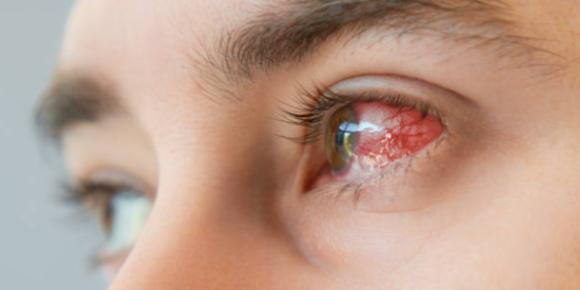
Red, irritated eyes
Blurred vision (especially during screen time)
Excessive tearing (a reflex to dryness)
Sensitivity to light
Identifying the root cause of dry eye is essential to finding an effective treatment. Our specialists, Dr. Sasha Patel and Dr. Lechanski, provide personalized care to address each patient’s specific needs.
The Latest in Dry Eye Treatments, Including OptiLight
Traditional artificial tears provide temporary relief, but advanced treatment options target the underlying causes of dry eye.
Cutting-Edge Dry Eye Treatments:
OptiLight IPL Therapy: A revolutionary FDA-approved treatment that reduces inflammation and improves meibomian gland function.
Meibomian Gland Expression: Clears blockages in the oil-producing glands to improve tear quality.
Prescription Eye Drops: Including Restasis, Xiidra, and Tyrvaya to enhance tear production.
Punctal Plugs: Helps retain natural tears by blocking tear drainage.
How Screen Time & Environmental Factors Impact Dry Eye
With increasing digital device usage, screen-related dry eye has become more prevalent. Staring at screens for prolonged periods reduces blink rates, leading to increased evaporation of tears .
Tips to Reduce Screen-Related Dry Eye:
Follow the 20-20-20 Rule: Every 20 minutes, look at something 20 feet away for 20 seconds.
Position screens below eye level to reduce eye strain.
Use blue light filtering lenses or computer glasses.
Keep a humidifier in your workspace to maintain moisture levels.
Best Hydration & Nutrition Tips for Dry Eyes
A well-balanced diet can help improve tear production and reduce inflammation associated with dry eye disease.
Top Nutrients for Dry Eye Relief:
Omega-3 Fatty Acids: Found in salmon, flaxseeds, and walnuts, they help reduce inflammation and improve tear stability.
Vitamin A: Carrots, sweet potatoes, and leafy greens promote healthy tear production.
Hydration: Drinking plenty of water prevents dehydration and maintains tear film balance.
The Connection Between MGD & Dry Eye Disease
Meibomian Gland Dysfunction (MGD) is a leading cause of dry eye disease. These glands, located in the eyelids, produce the oil layer of tears. When blocked or inflamed, tears evaporate too quickly, leading to dryness and irritation.
OptiLight IPL therapy, meibomian gland expression, and heat-based treatments can help restore proper oil flow and improve tear stability.
Prioritize Your Eye Health This July
If you suffer from dry eye symptoms, schedule an evaluation with Dr. Inna Lazar and Dr. Danielle Polvanov at Pro Eye Care and Greenwich Eye Care. We offer comprehensive solutions to keep your eyes comfortable and healthy.
📅 Book a dry eye consultation today: Book Now
📍 Visit us at: Greenwich | Darien | Old Greenwich, CT
- posted: Jul. 15, 2025
July is Dry Eye Awareness Month, a time to spotlight one of the most common—but often overlooked—eye conditions: Dry Eye Disease (DED). At Pro Eye Care and Greenwich Eye Care, our team of specialists proudly serves the communities of Greenwich, Darien, and Old Greenwich, offering advanced diagnostics and personalized treatments to bring lasting relief.
What Is Dry Eye Disease? Symptoms & Causes
Dry Eye Disease occurs when your eyes do not produce enough tears or when tear quality is poor, leading to inflammation and discomfort. It can be caused by age, hormonal changes, prolonged screen time, and environmental factors.
Common Symptoms of Dry Eye Disease:
Persistent dryness, itching, or burning sensation
Red, irritated eyes
Blurred vision (especially during screen time)
Excessive tearing (a reflex to dryness)
Sensitivity to light
Identifying the root cause of dry eye is essential to finding an effective treatment. Our specialists, Dr. Sasha Patel and Dr. Lechanski, provide personalized care to address each patient’s specific needs.
The Latest in Dry Eye Treatments, Including OptiLight
Traditional artificial tears provide temporary relief, but advanced treatment options target the underlying causes of dry eye.
Cutting-Edge Dry Eye Treatments:
OptiLight IPL Therapy: A revolutionary FDA-approved treatment that reduces inflammation and improves meibomian gland function.
Meibomian Gland Expression: Clears blockages in the oil-producing glands to improve tear quality.
Prescription Eye Drops: Including Restasis, Xiidra, and Tyrvaya to enhance tear production.
Punctal Plugs: Helps retain natural tears by blocking tear drainage.
How Screen Time & Environmental Factors Impact Dry Eye
With increasing digital device usage, screen-related dry eye has become more prevalent. Staring at screens for prolonged periods reduces blink rates, leading to increased evaporation of tears .
Tips to Reduce Screen-Related Dry Eye:
Follow the 20-20-20 Rule: Every 20 minutes, look at something 20 feet away for 20 seconds.
Position screens below eye level to reduce eye strain.
Use blue light filtering lenses or computer glasses.
Keep a humidifier in your workspace to maintain moisture levels.
Best Hydration & Nutrition Tips for Dry Eyes
A well-balanced diet can help improve tear production and reduce inflammation associated with dry eye disease.
Top Nutrients for Dry Eye Relief:
Omega-3 Fatty Acids: Found in salmon, flaxseeds, and walnuts, they help reduce inflammation and improve tear stability.
Vitamin A: Carrots, sweet potatoes, and leafy greens promote healthy tear production.
Hydration: Drinking plenty of water prevents dehydration and maintains tear film balance.
The Connection Between MGD & Dry Eye Disease
Meibomian Gland Dysfunction (MGD) is a leading cause of dry eye disease. These glands, located in the eyelids, produce the oil layer of tears. When blocked or inflamed, tears evaporate too quickly, leading to dryness and irritation.
OptiLight IPL therapy, meibomian gland expression, and heat-based treatments can help restore proper oil flow and improve tear stability.
Prioritize Your Eye Health This July
If you suffer from dry eye symptoms, schedule an evaluation with Dr. Inna Lazar and Dr. Danielle Polvanov at Pro Eye Care and Greenwich Eye Care. We offer comprehensive solutions to keep your eyes comfortable and healthy.
📅 Book a dry eye consultation today: Book Now
📍 Visit us at: Greenwich | Darien | Old Greenwich, CT
Visit our Office
36 Old Kings Hwy S #110
Darien, CT 06820
Hours of Operation
Early or Late Appointments Available by Request
Greenwich
Monday
10:00 am - 6:00 pm
Tuesday
9:00 am - 5:00 pm
Wednesday
9:00 am - 5:00 pm
Thursday
9:00 am - 5:00 pm
Friday
9:00 am - 5:00 pm
Saturday
Closed
Sunday
Closed
Darien
Monday
9:00 am - 5:00 pm
Tuesday
9:00 am - 6:00 pm
Wednesday
9:00 am - 5:00 pm
Thursday
9:00 am - 6:00 pm
Friday
9:00 am - 5:00 pm
Saturday
Open once a month
Sunday
Closed
