What Does an Optometrist Do?
An optometrist is a licensed healthcare professional who provides primary vision care. Eye health is evaluated, and common conditions such as nearsightedness, farsightedness, and astigmatism are diagnosed. In many cases, treatment plans are created and managed over time.
You may also hear the term eye doctor, which often refers to an optometrist who performs routine exams, prescribes eyeglasses, and monitors overall eye health. Specialized care may be recommended when advanced conditions are detected.
How Often Should You Get an Eye Exam?
Regular exams are essential for maintaining good vision. Adults are generally advised to schedule an eye exam every one to two years, while children and older adults may need more frequent visits. Vision changes can occur gradually, so symptoms are not always obvious.
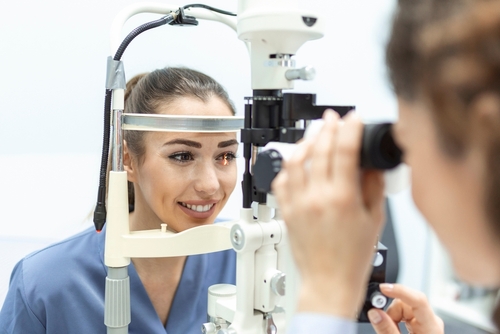
During an eye exam, vision clarity is tested, and the eyes are carefully examined for signs of disease. Conditions such as glaucoma and macular degeneration can be detected early, and early detection is critical for successful treatment.
What Should You Expect During an Eye Exam?
A comprehensive exam includes several steps, and each step serves a purpose. Your visual acuity will be measured, and your prescription may be updated. Eye pressure may also be checked, as elevated pressure can indicate glaucoma.
In addition, the internal and external structures of the eyes are examined. These tests are painless, and most patients feel comfortable throughout the visit. Questions are encouraged, so your optometrist can address any concerns.
How Do You Choose the Right Eyeglasses?
Finding the right eyeglasses can feel overwhelming, yet guidance is available. Frame style, lens type, and lifestyle needs are all considered. Some patients prefer lightweight frames, while others prioritize durability.
Your optometrist will recommend lenses that match your prescription and daily activities. Blue light filtering, anti-glare coatings, and progressive lenses may be recommended. Each option is explained to encourage informed choices.
When Should You Seek Immediate Eye Care?
Certain symptoms require prompt attention, and they should not be ignored. Sudden vision loss, eye pain, flashes of light, or persistent redness can signal serious conditions. If these occur, contact an optometrist as soon as possible. Emergency care can prevent complications, and early intervention often leads to better outcomes. Even mild symptoms should be evaluated if they persist.
Why Is Ongoing Eye Care Important?
Consistent eye care supports both vision and overall health. The eyes can reveal signs of systemic conditions, including diabetes and hypertension. Routine visits can identify these issues early.
At Bermel Vision & Aesthetics, comprehensive care is provided with a patient-centered approach. To learn more or schedule an appointment, call one of our locations today. Your vision matters, and it should be protected through regular visits and expert guidance.
Gainesville: (571) 261-5100
Leesburg: (703) 777-3455
Fairfax: (703) 691-2020